
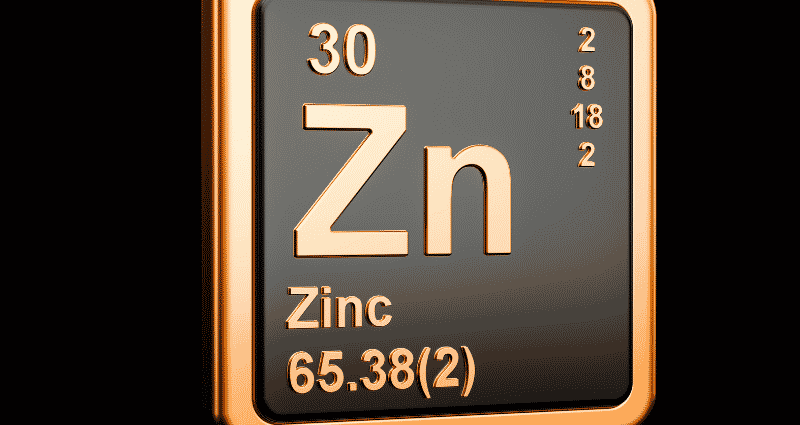
In the rough-and-tumble world of industrial manufacturing, zinc is way more than just a box to check on a supply list. It’s the literal backbone for everything from massive urban infrastructure to high-end chemical formulas. But here is the catch: if you’ve been watching the market, you know the zinc dust price is notoriously jumpy.
These price swings aren’t just a run of bad luck. They’re what happens when the messy, day-to-day realities of running a mine or a factory collide head-on with the massive, invisible gears of the global economy.
What Actually Moves the Needle on Zinc Dust Price?
If you’re a contractor or a manufacturer trying to protect your margins, you need to know why the market behaves so erratically. It usually boils down to five main pressure points:
Extraction Obstacles and Raw Ore Supply
It all begins at the source. Since the powder is created from refined ore, any disruption at the mine creates a domino effect. For instance, if labor unions negotiate higher pay or if the diesel used to run heavy excavators gets more expensive, the zinc dust price usually moves upward to cover those gaps.
On top of that, we are seeing high-grade zinc deposits become scarcer, meaning companies have to dig deeper and work harder to get the same yield—a difficulty that adds a definite premium to the final cost.
The Massive Energy Toll of Production
Breaking down solid metal into a microscopic, uniform powder is an incredibly demanding task. The industrial grinders and atomizers required for this process eat up huge amounts of electricity and thermal energy.
This high consumption makes the entire industry very vulnerable to shifts in the energy market. When power grid rates go up or natural gas prices take a leap, manufacturers almost immediately adjust their quotes to ensure these heavy overhead costs don’t eat their margins.
The Pulse of Global Construction
Zinc powder is the secret ingredient in anti-rust coatings and heavy-duty paints. Because of this, the zinc dust price often mirrors the health of the construction sector. If the supply in local warehouses can’t keep up with that sudden thirst for materials, prices can jump overnight.
The Impact of Exchange Rates and Trade Barriers
For many markets, especially in places like Southeast Asia, zinc is an international game. Since it’s often traded in US Dollars, a dip in the value of local currency can make importing the same amount of material feel much more expensive. Beyond currency, things like new import taxes or stricter government quotas can quickly tighten the market and inflate local prices.
The Logistical Headache
Transporting zinc powder is a specialized job. It’s heavy, and it has to stay bone-dry to avoid being ruined by moisture. Between rising shipping fuel costs and the occasional bottleneck at major sea ports, getting the product from point A to point B is a significant expense. These “hidden” costs in the supply chain are almost always reflected in the final price per kilogram you see at checkout.
Dealing with the zinc dust price is all about staying ahead of the curve. Even though the metals market is famously unpredictable, you don’t have to be caught off guard. By staying informed on energy shifts and keeping a pulse on new trade rules, savvy buyers can time their larger purchases much better.